
What Sustainable Kitchenware Fits a Small Apartment?

Last Updated: November 4, 2026
Quick Summary
Sustainable kitchenware for small apartments starts with buying less, not more: a one- or two-person kitchen needs roughly 12 to 15 core pieces rather than a full registry. Choose pieces that nest, stack, or do two jobs, and prioritize wood, stainless steel, cast iron, and glass over single-task gadgets. Spend your budget on the two or three items you touch daily, like a chef's knife and a hardwood board.
A one- or two-person apartment kitchen needs roughly 12 to 15 core pieces, not a full registry.
Measure cabinet depth, height between shelves, and counter depth before buying any piece.
Renters can use over-the-door organizers, tension rods, and under-shelf baskets without drilling.
Make non-toxic swaps first at cutting boards, storage, and utensils, where food touches surfaces most.
A starter kitchen totals $250 to $450, with $40 to $80 spent on a chef's knife.
Table of Contents
Start With a Prioritized Sustainable Kitchenware Starter Kit
Sustainable kitchenware for small apartments starts with buying less, not more. A one- or two-person apartment kitchen needs roughly 12 to 15 core pieces, not a full registry. Sustainable kitchenware for small apartments starts with buying less, not more, so we think about quantity before material.
Here is the exact starter kit we would hand a new apartment cook:
1 chef's knife (8-inch) plus 1 paring knife
1 large cutting board (wood, roughly 45 x 30 cm)
1 small prep board for garlic, citrus, and raw meat
That list covers most cooking for two people. Anything beyond it is a want, not a need.
Exact Quantities for a One- or Two-Person Apartment
Two people cooking daily will run out of plates before anything else. Four plates per person is the practical floor if you dislike washing dishes every night. Bowls matter more than saucers for apartment eating, and one large serving bowl covers most shared meals. If you host often, add four more plates and one extra board rather than a second set of pans.
Space-Saving Kitchenware That Earns Its Cabinet Space
Space-saving kitchenware earns its place when it nests, stacks, or does two jobs, and when it fits the constraints of a rental kitchen you cannot remodel. Most small-kitchen guides stop at "buy nesting bowls." The practical gap is rental-friendly storage: no-drill organization, vertical use of wall and door space, and cabinet layouts you can work with without losing a security deposit.

Measure Before You Buy
Start with three measurements: cabinet depth, cabinet height between shelves, and counter depth. A standard apartment base cabinet is about 24 inches deep, but usable depth is closer to 20 inches once the door and hinge swing are accounted for. Upper cabinets are often 12 inches deep, which rules out full-size dinner plates stored upright. Write the numbers down and check every piece against them before purchase.
The pieces that pull their weight:
Nesting mixing bowls in stainless steel, three sizes that stack inside the largest
Stackable glass containers that double as serving dishes and nest by size
A collapsible colander that flattens to roughly an inch
A skillet that goes from stovetop to oven, replacing one baking dish
Rental-Friendly Storage Without Drilling
Renters usually cannot put screws in cabinet doors or walls without risking a deposit. The workarounds that hold up:
Over-the-door organizers that hang on cabinet doors with hooks, no hardware required
Tension rods inside cabinets to hang spray bottles, utensils, or cleaning supplies
Under-shelf baskets that slide onto existing shelves and add a second tier
Stackable shelf risers that double cabinet height for plates and bowls
Vertical space is the most underused asset in an apartment kitchen. A wall above the counter can hold a magnetic strip, a hanging rail, or a small shelf, but check your lease first, many allow removable adhesive products while prohibiting screws and nails.
Cabinet Layout That Prevents Rebuying
Deep, narrow cabinets swallow small items. Keep your most-used pieces in the front third of the shelf, or you will rebuy things you already own. A common pattern is to designate one cabinet for daily cooking, one for storage containers, and one for bakeware and occasional items.
Watch out: stacking heavy cast iron above shoulder height in an upper cabinet creates a dropping hazard in a small kitchen, keep heavy pieces at or below counter level.
Small Apartment Kitchen Essentials You Can Skip
Skip any small apartment kitchen essential that only does one narrow job. Bread makers, rice cookers, electric griddles, and dedicated avocado slicers all take up cabinet space for a single task.
Daniel Titchener
The skip list, in our view:
Specialty slicers and dicers that a knife handles in seconds
Full dinner service for eight when you seat four
A second set of bakeware you use twice a year
Novelty gadgets with one function and no storage footprint
A common mistake is buying the full boxed knife set. Most apartment cooks use two of the eight knives and store the rest. Buy the two you actually hold.
Material Trade-Offs: Wood, Stainless Steel, Cast Iron, and Ceramic
Wood wins for cutting surfaces, stainless steel for cookware, cast iron for searing, and ceramic for serving. Each material has a care routine, and skipping it shortens the item's life.
Wood: warm, kind to knife edges, needs hand washing and occasional oiling
Stainless steel: light, heats fast, dishwasher-safe, can scorch if thin
Cast iron: heavy, holds heat, needs drying and light oiling
Ceramic and porcelain: non-reactive, good for serving, chips if dropped
Care and Safety for Each Material
Wood boards should be washed by hand, dried standing up, and conditioned when they look dry. Readers who want to verify their wood is genuinely sustainable can learn how to identify sustainably sourced hardwood. Stainless steel tolerates dishwashers but benefits from hand drying to avoid water spots.
For wood, a food-safe conditioner keeps the surface sealed. A food-safe board conditioner is made for this job.
Non-Toxic Kitchen Swaps Worth Making First
Non-toxic kitchen swaps start where food touches the surface most: cutting boards, storage, and utensils. Replace those first, then work outward.
The swaps that pay off fastest:
Plastic cutting board to hardwood, which sheds less into food
Plastic wrap to reusable beeswax wraps
Plastic storage to glass containers with lids
Plastic utensils to bamboo or hardwood
Nonstick pans with worn coating to stainless steel or cast iron
Bamboo utensils are a smart first buy. They are light, cheap to replace, and gentle on coated pans. The FDA guidance on food contact substances is a useful reference when you are checking whether a finish or coating is cleared for food use.
Sustainable Dinnerware for a Compact Table
Sustainable dinnerware for a compact table means fewer, sturdier pieces that stack flat. Choose four place settings in a stackable shape, and pick a neutral glaze that works for both weeknights and guests.
What to look for:
Stackable rims so plates sit flat in a narrow cabinet
Chip-resistant stoneware or porcelain over thin earthenware
Open stock so you can replace one broken plate
Dishwasher-safe glazes for daily use
Glass tumblers beat stemware in a small kitchen. They stack, they survive the dishwasher, and they work for water, wine, and iced coffee.
Budget Tiers, Cost per Use, and End-of-Life Disposal
Cost per use decides whether a piece is worth buying. A board you use daily for a decade costs far less per meal than a cheap one you replace every year. Readers weighing a cheap board against a long-lasting one can check is a professional cutting board worth it for the long-term cost-per-year math. For a closer look, see is 'expensive' wood really worth it.
Realistic Price Tiers for a Small Kitchen
Pricing depends on quantity, dates, and delivery. See the Unhinged Woodworks website for current prices or a quote.
Tier | What to Buy | Typical Price Range | Where to Spend | Where to Save |
Starter | 12-15 core pieces | $250-$450 total | Chef's knife ($40-$80) and one hardwood board ($30-$60) | Utensils, bowls, flatware |
Mid | Add nesting cookware and glass storage | $150-$300 added | Skillet ($40-$90) and storage containers ($30-$60 for a set) | Dinnerware, small tools |
Long-term | Replace as things wear | $50-$150 per year | One heirloom board ($80-$200) | Everything else |
A starter kitchen does not need a $200 knife. A $40-$80 chef's knife from a reputable brand holds an edge well enough for daily apartment cooking, and the savings are better spent on a board you will keep. The mistake is spreading a small budget evenly across 30 items instead of concentrating it on the two or three pieces you touch every day.
Cost per Use in Practice
Run the math on the pieces you use most:
The pattern is consistent: durable pieces win on cost per use even when the sticker price is higher. That is the argument for buying fewer, better items in a small kitchen, where storage space itself has a cost.
End-of-Life and Disposal Trade-Offs
Durability is only half the lifecycle story. What happens at the end matters too:
Wood boards can be sanded and re-oiled to extend life, then composted at the very end if untreated. Boards finished with food-safe oil and wax break down; those with heavy synthetic sealants may not.
Stainless steel and cast iron are widely recycled through municipal programs and scrap metal recyclers. Cast iron can also be re-seasoned and passed on rather than discarded.
Glass is recyclable in most curbside programs, though lids and gaskets often are not.
Ceramic and porcelain usually are not recyclable in curbside bins and end up in landfill. Buy fewer ceramic pieces and you send less to landfill.
The practical takeaway: prioritize materials you can repair, re-oil, or recycle, and treat ceramic as a buy-few category.
Watch out: "compostable" and "recyclable" labels do not guarantee local acceptance, check your municipal program before counting on either.
Build Your Apartment Kitchen Around One Heirloom Piece
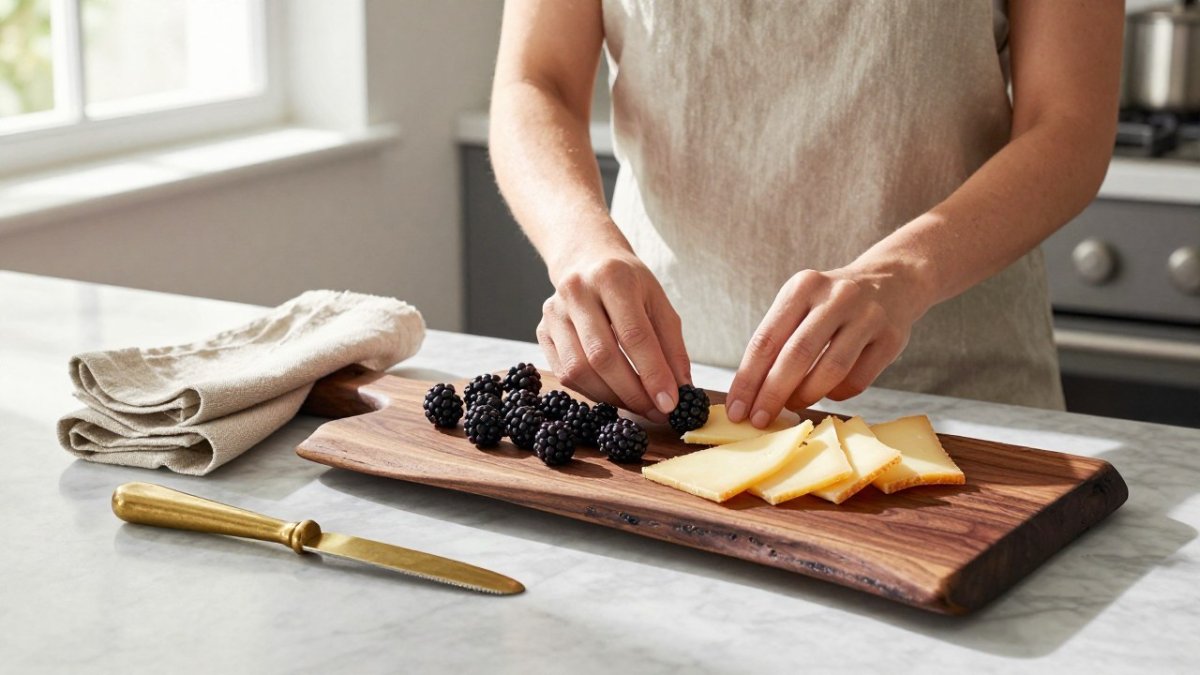
Build your apartment kitchen around one heirloom piece and let everything else stay practical. A single well-made board or platter anchors the whole setup and lasts for decades.
Why one piece, not five? Because a small kitchen rewards focus.
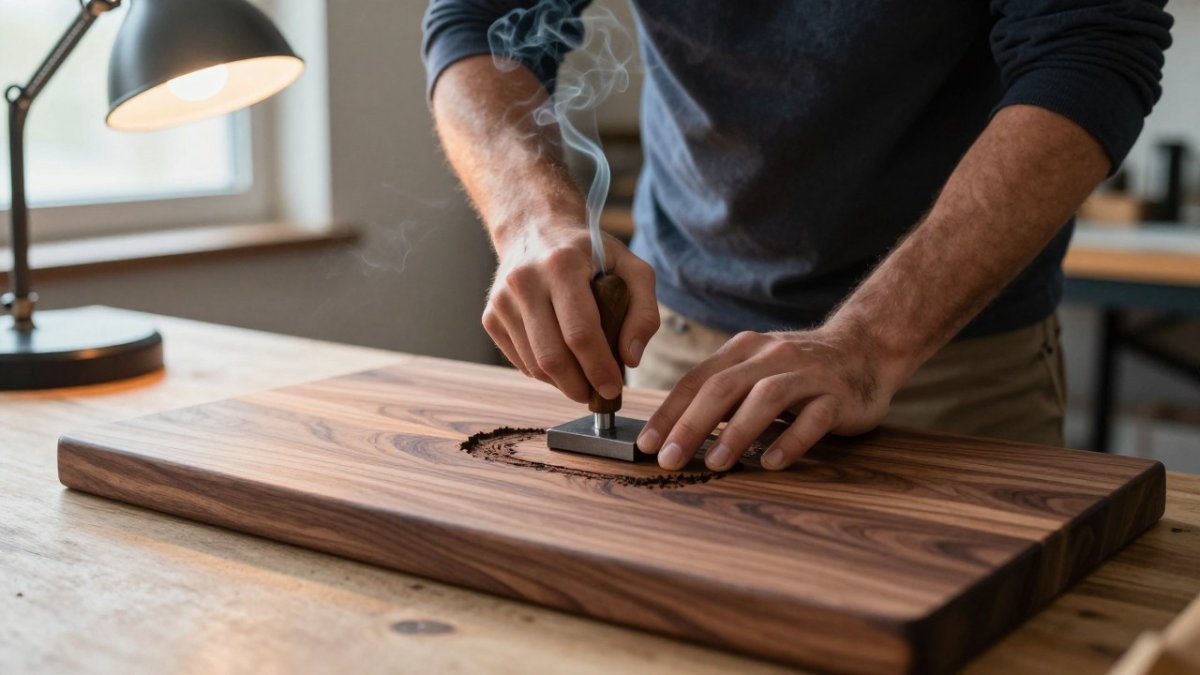
Unhinged Woodworks makes hardwood boards and platters from hand-selected black walnut, cherry, and African mahogany, with grain matching and custom engraving and branding.
Frequently Asked Questions
What kitchenware do you need in a small apartment?
A workable small apartment kitchen needs less than most people own: one chef's knife, one wooden cutting board, two pots (a 2-quart saucepan and a 4-quart pot), one skillet, a mixing bowl set that nests, two to four place settings, and a few glass storage containers. Add a bamboo utensil set and you can cook nearly everything. The goal is pieces that do two jobs, so a skillet that goes from stovetop to oven beats three single-use pans.
Is wooden kitchenware a good choice for a small apartment?
Yes, if you buy solid hardwood rather than thin composite boards. Wood is lightweight, quiet on countertops, and kind to knife edges, so one board can handle prep and serving. Look for food-safe finishes and hand-wash and dry it promptly. A well-made hardwood board conditioned regularly can last decades, which matters in a small space where you want fewer, better items instead of constant replacements.
How do you store cookware and utensils in a small kitchen?
Store vertically wherever you can. Hang utensils on a rail, stack pans with felt dividers, and keep the board you use daily on the counter against the wall. Use cabinet risers so plates and bowls stand on edge, and put a tension rod under the sink for spray bottles. Rental-friendly options like over-the-door hooks and freestanding shelves add storage without drilling, which matters if your lease limits wall damage.
What sustainable kitchen swaps are worth making first?
Start with the items you touch every day. Swap plastic cutting boards for hardwood, replace a drawer of plastic utensils with bamboo or stainless steel, and move leftovers from disposable containers into glass. These three changes cut the most frequent waste and last for years. Skip the specialty gadgets and single-use appliances until you know you will use them weekly, since unused tools are the most common clutter in small kitchens.
Your apartment kitchen does not need more stuff. It needs a short list of pieces you will actually use, cared for properly, kept for years. Start with the starter kit, swap the plastic first, and invest in one board that outlasts everything else. Browse our hardwood cutting boards and pick the piece your kitchen will be built around.

Comments