
How to Choose the 10 Best Wooden Kitchen Utensils for 2026

Last Updated: October 30, 2026
Quick Summary
The 10 best wooden kitchen utensils for 2026 are ranked on wood species and grain, construction and finish, cooking performance, and durability, with teak, maple, and bamboo among the top picks. Choose wooden kitchen utensils by matching the wood to how you cook: teak or maple for daily use, birch or bamboo for starter kitchens.
Teak and maple resist moisture and wear well, while bamboo can splinter at thin edges.
A one-piece carved utensil outlasts a glued handle every time.
Hand wash wooden utensils in warm water, towel dry immediately, and never soak or dishwasher them.
Oil wooden utensils monthly, or whenever the surface looks dry.
Daily cooks should buy fewer pieces of teak or maple at higher quality.
Table of Contents
Why Wooden Kitchen Utensils Still Earn Their Place in 2026
Walk into any well-stocked kitchen and you will find them: wooden spoons worn smooth at the edge, a spatula darkened by years of tomato sauce, a turner that has flipped thousands of pancakes. Wooden kitchen utensils have survived every kitchen gadget trend because they work.
The case for wood is practical before it is romantic. Wood is gentle on nonstick cookware and comfortable to grip for long stretches at the stove.
Not all wood is equal. If you want a deeper argument for artisan wood over mass-produced options, see why choose artisan wooden serving ware. A mass-produced bamboo set and a hand-finished teak spoon can differ in durability, grain quality, and how the piece ages.
Below, we rank ten wooden kitchen utensils worth your drawer space in 2026, explain how we judged them, and show you how to keep them in service for years.
How We Tested and Ranked These Wooden Utensils
Our rankings rest on four criteria: wood species and grain, construction and finish, performance across cooking tasks, and long-term durability. To judge the rankings yourself, read our heirloom quality wooden board reviews on what makes woodware last decades. We weighed how each utensil handled heat, how it felt during repeated stirring and flipping, and whether the finish held up to hand washing and oiling.
Species mattered more than brand. Teak and maple resist moisture and wear well; bamboo is light and affordable but can splinter at thin edges; softer woods scratch and stain faster. Construction came second: a one-piece carved utensil outlasts a glued handle every time.
We also considered value and piece count. A single well-made turner can be worth more than a bargain set of twelve.
Watch out: the most common mistake buyers make is choosing on looks alone. A beautifully grained utensil with a rough, unfinished surface will absorb moisture and crack within months.
The 10 Best Wooden Kitchen Utensils for 2026, Ranked
Here are ten picks for 2026, chosen for performance, material quality, and everyday usefulness. Each entry notes what the utensil does best and where it falls short.

1. Teak Wood Spoon Set
Teak is a dense hardwood, and this set earns the top spot in our ranking. A good set includes a solid spoon, a slotted spoon, and a stirring spoon, covering most stovetop tasks. The one drawback: teak costs more than bamboo, and quality varies widely, so check the grain for tight, even lines.
2. Bamboo Slotted Spatula
Bamboo is a lighter, lower-cost option. A slotted spatula lifts vegetables from boiling water and drains grease, and thin edges can splinter over time. Best for cooks who want a dependable, low-cost tool and do not mind replacing it sooner than a hardwood piece.
3. Maple Wood Turner
Maple's tight grain makes it a dense hardwood well suited to a turner, and it flips eggs, burgers, and pancakes with a firm feel. The trade-off is weight: maple turners feel heavier in hand than bamboo. For anyone who cooks breakfast daily, that heft is worth it.
4. Beech Wood Scraper
A beech scraper is the utensil most cooks forget they need. It can be used to clean the sides of a mixing bowl, lift dough from a counter, and scrape the bottom of a pan. Where it falls short: beech is softer than maple, so a scraper's edge wears down with heavy use.
5. Olive Wood Serving Spoon
Olive wood has distinctive grain and a dense feel. A serving spoon in olive wood is as much a table piece as a cooking tool, which makes it a favorite for hosts who serve at the table. The honest limitation is availability and cost. Olive wood is a slower-growing material, so pieces run smaller and pricier than teak or maple.
6. Cherry Wood Stirring Spoon
Cherry starts light and deepens to a warm reddish brown with age. Cherry is softer than maple, though, so avoid leaving it in a hot pan or soaking it in the sink.
7. Walnut Wood Salad Servers
Walnut has a dark, rich color that suits salad service. A matched pair of servers, one spoon and one fork, handles tossing and portioning.
8. Acacia Wood Soup Ladle
Acacia is a dense wood with a contrasting grain, suited to a ladle. A deep bowl scoops soup and stew cleanly, and the wood's contrasting grain looks handsome on a counter. The drawback is inconsistency: acacia quality varies, so inspect the finish before buying.
9. Birch Wood Utensil Set
Birch is light and pale in color. A typical set covers a spoon, slotted spoon, spatula, and turner, enough for most daily cooking.
10. Ash Wood Cooking Spoon
Ash has a light color and a long-handled ash cooking spoon can reach into deep pots.
Utensil | Wood | Best For | Watch Out For |
Teak Spoon Set | Teak | All-purpose stirring | Higher cost |
Bamboo Slotted Spatula | Bamboo | Draining, nonstick pans | Edge splintering |
Maple Turner | Maple | Flipping, daily cooking | Heavier feel |
Beech Scraper | Beech | Bowl scraping, dough | Softer edge |
Olive Wood Serving Spoon | Olive | Table service | Cost, smaller sizes |
Cherry Stirring Spoon | Cherry | Long stirring sessions | Softness |
Walnut Salad Servers | Walnut | Tossing and serving | Needs frequent oiling |
Acacia Soup Ladle | Acacia | Soups and stews | Variable quality |
Birch Utensil Set | Birch | Starter kitchens | Shorter lifespan |
Ash Cooking Spoon | Ash | Deep pots | Absorbs moisture |
Choosing the Right Wooden Kitchen Utensil Set for Your Kitchen
Start with the tasks you actually cook, not the size of the set. A soup maker needs a ladle and long stirring spoon; a breakfast cook needs a turner and spatula. Buying a wooden kitchen utensil set of twelve pieces when you use four is wasted money and drawer space.
Then match the wood to your habits. If you cook daily and want one set to last, invest in teak or maple. If you are outfitting a first apartment, a birch or bamboo set covers the basics affordably. Check the piece count against your cookware too: metal utensils scratch nonstick, so if your pans are coated, wood is the safer default.
Daily cooks: teak or maple, fewer pieces, higher quality
Occasional cooks: birch or bamboo set, broad coverage
Hosts who serve at the table: olive wood or walnut serving pieces
Bakers: beech scraper plus a sturdy spoon
Individual utensils often beat complete sets. Buying the four tools you reach for daily, in better wood, usually costs less than a large set of mixed quality.
Wooden Utensils vs Silicone Utensils: Which Belongs in Your Drawer?
Wooden utensils suit stirring, flipping, and serving, while silicone can be a practical choice for tasks where flexibility or dishwasher cleaning matters.
Many kitchens benefit from both. Keep wood for stirring, flipping, and serving, and silicone for tasks where flexibility or dishwasher cleaning matters. The deciding factor is usually care: if you will hand wash and oil, wood lasts far longer. If you want zero maintenance, silicone is the easier path.
How to Clean Wooden Utensils Without Cracking or Warping
Hand wash wooden utensils in warm water with mild soap, rinse quickly, and dry immediately with a towel. Never soak them, never leave them in the sink, and never put them in the dishwasher. Moisture is what causes cracking and warping, and prolonged soaking drives water deep into the grain.
Follow these steps:
Wash one utensil at a time under running water
Use a soft brush for stuck-on food, never steel wool
Rinse and towel dry right away
Stand upright to air dry fully before storing
Oil monthly, or whenever the surface looks dry
For deeper prevention, our guide on how to prevent wooden boards from cracking covers oiling schedules, drying positions, and storage habits that apply to utensils too. Leaving a wooden spoon in a hot pot or a wet sink can damage it.
Food-Safe Wood Finish: What to Look For and How to Maintain It
A food-safe wood finish is a coating or oil that seals wood without introducing toxic compounds into contact with food. Look for finishes that are explicitly rated food-safe.
Maintenance is simple: oil the wood when it looks dry, let it absorb, and buff off the excess. A quality board butter or conditioner does both jobs in one step. For a ready-made option, our hand-crafted board conditioner is made for exactly this purpose.
A finish is not permanent, and wood surfaces may need re-oiling as they wear.
Bring Heirloom-Quality Wood Into Your Kitchen with Unhinged Woodworks
Choosing wooden kitchen utensils is really a decision about how long you want them to last. The ten picks above cover every cooking style, but the difference between a utensil that lasts a season and one that lasts decades comes down to species, construction, and care.
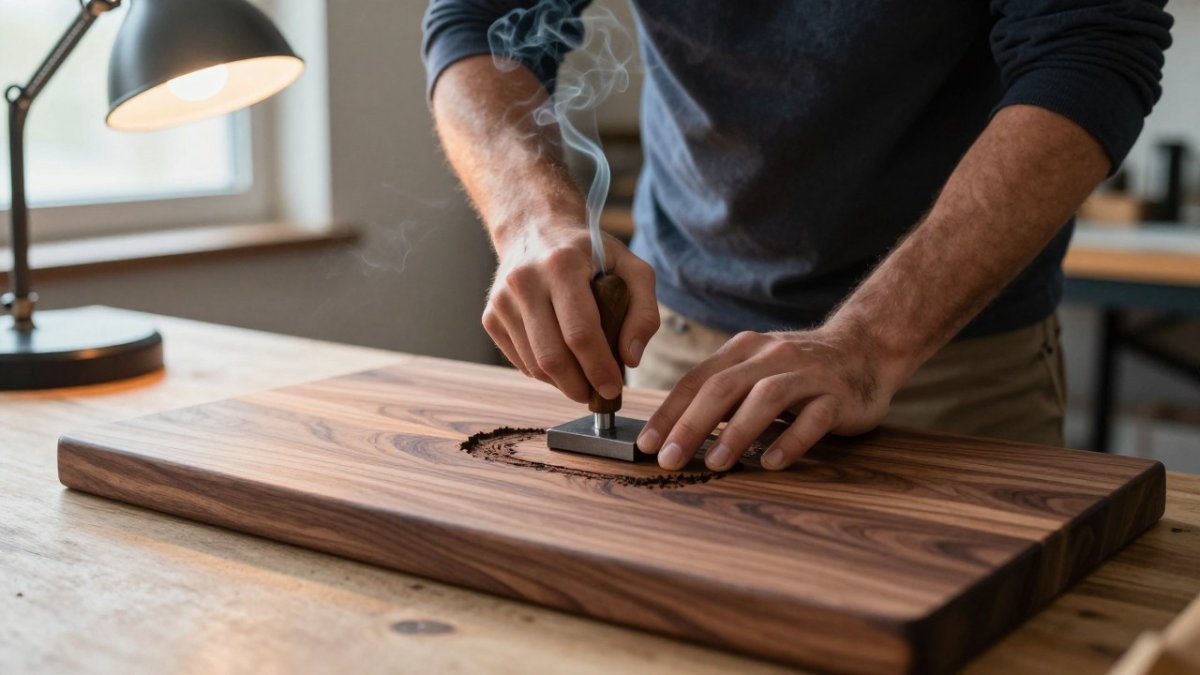
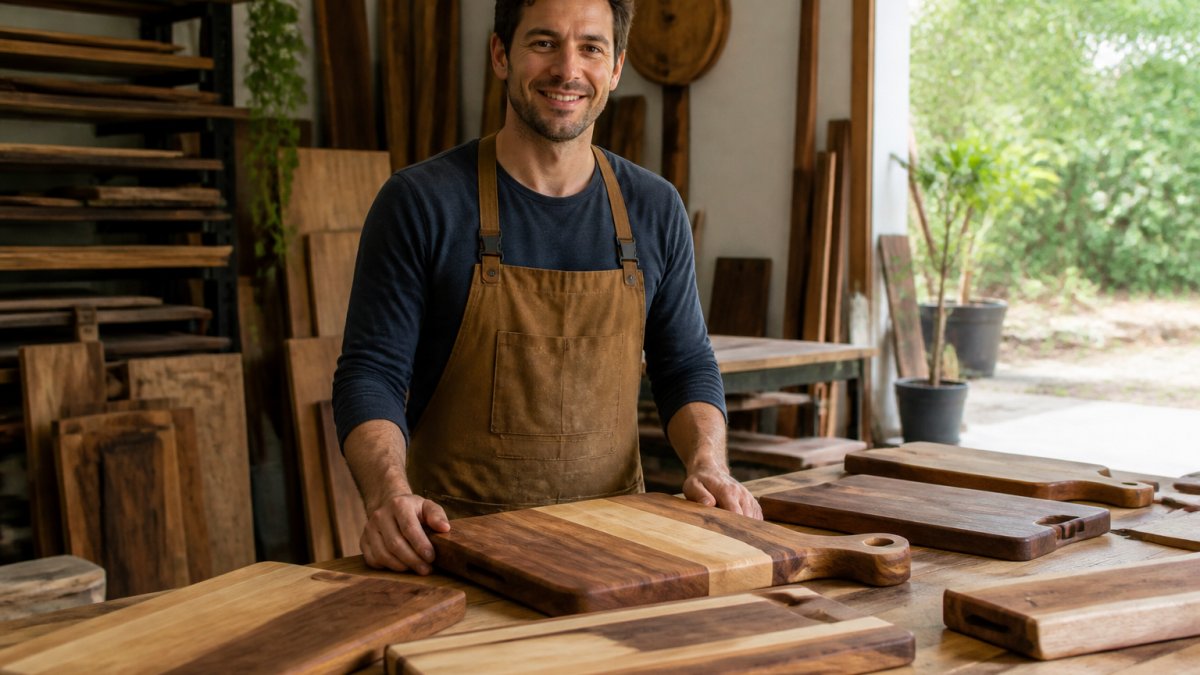
At Unhinged Woodworks, we build wooden serving ware from hand-selected hardwoods like black walnut, cherry, and African mahogany, finished with food-safe adhesives and conditioners for a satin-smooth surface. Our pieces include custom engraving and branding, and we offer a hand-crafted board conditioner.
If you are ready to invest in wood that earns its place, explore our collection and find the piece that fits your kitchen.
Frequently Asked Questions
What type of wood is best for kitchen utensils?
Teak, maple, and beech are common choices for wooden kitchen utensils. Bamboo is technically a grass and is often used for slotted spoons and spatulas. Whichever you pick, check that the grain runs straight along the handle, since that reduces the chance of cracking over time.
How do you clean and care for wooden kitchen utensils?
Wash wooden utensils by hand in warm water with a mild dish soap, then dry them immediately with a towel and let them air-dry fully before storing. Never soak them or put them in the dishwasher, because heat and prolonged moisture cause cracking and warping. Once a month, rub a food-safe wood finish such as mineral oil or a beeswax blend into the wood, let it absorb overnight, and wipe off any excess. This keeps the surface sealed and extends the life of the utensil.
Are wooden utensils better than silicone or metal?
Each has a place. Wooden utensils are scratch-free on nonstick cookware, resist heat, and won't leach chemicals into food, which makes them a strong default for stirring, scraping, and serving. Silicone is flexible and dishwasher-safe but can retain odors and may degrade over time. Metal is durable and easy to sanitize but scratches nonstick surfaces. Many cooks keep a wooden kitchen utensil set for everyday tasks and use silicone or metal for specific jobs like flipping delicate fish.
How often should you oil wooden cooking utensils?
Oil wooden utensils about once a month with a food-safe wood finish like mineral oil or a beeswax conditioner. If they start looking pale, feeling rough, or absorbing water faster than usual, they need oiling sooner. Apply a thin coat, let it soak in overnight, and buff off the excess. Avoid cooking oils like olive or vegetable oil, since they can turn rancid. Regular oiling is the simplest way to prevent cracking and keep the wood food-safe.
The challenge is simple: most wooden utensils are bought on impulse and discarded within a year. Choosing deliberately, and caring for what you choose, changes that. Unhinged Woodworks offers heirloom-quality hardwoods, food-safe finishes, and custom engraving so your utensils become part of the table rather than another drawer casualty. Get started with Unhinged Woodworks and bring lasting craftsmanship into your kitchen.
Comments