
7 Ways to Keep Kitchen Knives Sharp Longer

Last Updated: November 2, 2026
Quick Summary
Keep kitchen knives sharp by honing before cooking, hand washing and drying immediately, and storing each blade apart. Use a wood cutting board with some give, and sharpen every two to three months or when signs appear. Never cut on glass or bare countertops.
Hone before cooking with five to ten light passes per side, about thirty seconds.
Sharpen every two to three months for a home cook preparing meals most days.
Never cut on glass, stone, or bare countertops; use a wood board instead.
Skip the dishwasher and dry each knife by hand immediately after washing.
Give every blade its own slot, guard, or magnet spot to prevent impact damage.
Table of Contents
Why Kitchen Knives Lose Their Edge So Fast
A sharp knife is not luck. Most kitchen knives sharp today go dull because of how they are used and stored, not weak steel.
The core truth most guides miss: a knife does not go dull from cutting food.
Below are seven practical ways to keep kitchen knives sharp longer, from board choice to honing to storage. None take extra time, they just replace habits that quietly wreck your edge.
1. Choose the Best Cutting Board for Knives
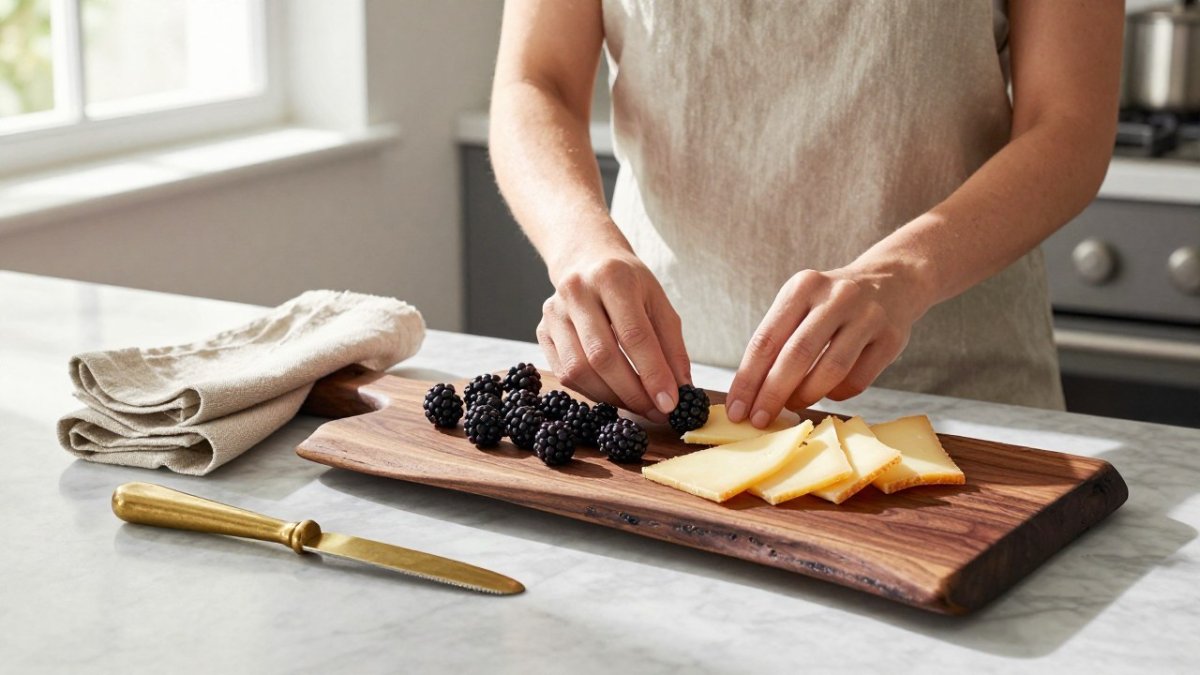
The best cutting board for knives is a wood board with some give, ideally end grain or a quality edge-grain hardwood. A surface that yields slightly lets the blade sink in a hair, so the edge stays intact instead of folding or chipping on impact.

Wood, Plastic, or Glass: What Each Does to an Edge
Wood is the gentle choice, fibers part around the blade and spring back, which is why butchers have used wooden blocks for generations. For a deeper comparison of wood versus plastic, see our full breakdown. Glass and stone are among the harder surfaces and can dull or chip an edge.
Wondering whether a quality board is worth the investment? Our article on whether a professional cutting board is worth it breaks down the long-term math. When you are ready to browse, explore our handcrafted hardwood cutting boards, made from black walnut, cherry, and African mahogany.
2. Learn How to Hone a Kitchen Knife the Right Way
Knowing how to hone a kitchen knife is the skill that separates a sharp knife from a dull one, and it takes about thirty seconds. Honing does not sharpen the blade. It realigns the microscopic edge that bends sideways during normal cutting.
Here is the routine we recommend:
Hold the honing rod upright on a towel
Set the blade at roughly a 20-degree angle
Draw the knife down and across in smooth strokes
A common mistake is pressing hard. Let the rod do the work. Light, even strokes realign the edge; heavy pressure grinds it away.
What Honing Actually Does to the Edge
Every cut pushes the thin apex of the edge slightly sideways; microscopically, the steel bends rather than breaks. Honing is a straightening operation, the rod coaxes that bent apex back toward center so the knife bites again.
That also explains the limit. If the edge has chipped, folded over, or worn flat, no amount of straightening brings it back. Honing restores alignment, not material; once the apex is gone, only sharpening replaces it.
Rod Material and Grit Matter More Than Most People Think
Not all honing rods behave the same way, and the difference is worth understanding before you buy one:
Smooth steel rods are the gentlest option, realigning the edge with minimal metal removal; they suit most home kitchens and harder German-style steels.
Fine ceramic rods are harder than steel and remove a whisper of metal, leaving a slightly more aggressive edge but demanding a light touch.
Diamond-coated rods cut quickly and are best for repairs or very dull edges; used weekly on a good knife, they remove metal fast and shorten blade life.
A practical rule: match the rod to the job. Keep a smooth steel for weekly upkeep and reach for ceramic or diamond only when the edge needs real correction.
When Honing Is the Wrong Move
Honing is not always the right first step. Skip it, and go straight to sharpening, when:
You can see a nick or chip in the edge under good light
The knife fails the tomato or paper test even after ten passes per side
The blade has been honed weekly for months without a sharpening session
On that last point, a light touch matters even more. Hard, thin edges can chip if you press a rod into them at a steep angle, use fewer passes, lighter pressure, and a shallower angle than on a softer Western blade.
Honing vs. Sharpening: They Are Not the Same Job
Honing realigns. Sharpening removes metal to create a fresh edge. Confusing the two is why so many home cooks think their knife is "sharpened" when it is only straightened.
Hone weekly. Sharpen only when honing stops working. That distinction alone will extend the life of your blade by years.
Pro Tip Hone before you cook, not after. A freshly honed edge cuts cleaner, and you avoid leaving a bent apex sitting overnight where it can set in the wrong position.
Watch Out Do not hone a serrated knife on a standard rod. The rod will round the points of the teeth. Use a tapered rod or a serrated-specific sharpener instead.
3. Know How Often to Sharpen Kitchen Knives
How often to sharpen kitchen knives depends on use, but a good rule is every two to three months for a home cook who prepares meals most days. A knife used lightly might go six months. A knife used daily on hard boards may need attention sooner.
Watch for the signs a knife needs sharpening:
It slides off tomato skin instead of biting in
It crushes herbs instead of slicing them
It tears meat rather than cutting cleanly
When those signs show up, it is time. Not before. Over-sharpening removes metal you cannot get back.
4. Wash and Dry Knives by Hand, Every Time
Hand washing is non-negotiable for an edge that lasts.
Wash each knife by hand with mild soap and warm water. Dry it immediately with a towel.
Watch out: leaving a knife wet in the sink is the fastest way to dull an edge and stain a blade.
For your wooden boards, a food-safe conditioner keeps the surface sealed and resilient. Our Graze Craze Board Glaze is made from food-safe ingredients and helps boards stay smooth after every wash.
5. Learn How to Store Kitchen Knives Without Dulling Them
How to store kitchen knives matters more than most people realize. The right storage keeps the edge away from anything hard. The wrong storage lets it bang against metal, ceramic, or other blades every time you open the drawer.
Good options:
A magnetic wall strip, blade flat against the magnet
A wooden knife block with slots that hold each blade apart
In-drawer inserts with individual felt-lined slots
Skip the loose drawer pile. That is where edges go to die.
Why Storage Dulls a Knife at All
A knife edge is a thin wedge of hardened steel. It survives cutting because food is soft relative to the blade, but it cannot survive repeated impact against something harder, another blade, a ceramic mug, a metal drawer divider, a granite countertop.
Storage is where most of that damage happens quietly: a knife rattling in a drawer for a year takes more edge abuse than a decade of normal prep.
The Trade-Offs of Each Storage Method
No storage method is perfect. Here is what each one actually does to your edge and what to watch for:
Magnetic wall strips keep knives visible and off the counter and avoid edge contact entirely if you place the flat of the blade against the magnet. Trade-off: strong magnets can magnetize the blade over time, making steel wool and metal filings cling, wipe the strip and blade regularly, and mount it out of reach of children.
Wooden knife blocks hold each blade in its own slot, protecting the edge well. Trade-off: slots can trap moisture and food debris if you put knives away damp, always dry fully first, and choose a block with open or angled slots that ventilate.
In-drawer inserts with felt-lined, individual slots are the gentlest option for edge contact and keep knives out of sight. Trade-off: felt holds dust and moisture, so clean the insert periodically and never store a wet knife in it.
Humidity, Corrosion, and the Handle
Edge care is not only about impact. Moisture is the other quiet enemy. High-carbon steel can flash-rust in a damp drawer, and even stainless blades can develop pits along the edge if they sit wet.
Handles matter too. Wood handles can swell, crack, or loosen if stored wet or exposed to repeated humidity swings; a dry, stable spot protects both the steel and the handle and keeps the knife tight and safe to use.
Storing Knives Safely Around the Kitchen
A few habits round out the storage system:
Never store a knife loose in a drawer with other utensils
Keep the edge facing away from anything it could strike
Store knives out of reach of children and pets
Key Takeaway The single best storage habit is separation. Give each blade its own slot, guard, or magnet spot, and you eliminate the impact damage that dulls most kitchen knives.
For your wooden boards, a food-safe conditioner keeps the surface sealed and resilient. Our Graze Craze Board Glaze is made from food-safe ingredients and helps boards stay smooth after every wash.
6. Cut on the Right Surface and Skip the Wrong Foods
Even a great board cannot save a knife used on the wrong surface. Never cut directly on countertops, plates, or glass. Always use a board with some give under the blade.
Some foods are quietly brutal on edges too. Frozen items, bones, and hard rinds force you to twist and press, which chips fine edges. Use a heavier knife for those jobs and keep your primary blade for normal prep.
7. Build Seven Small Habits That Preserve the Edge
The final step is turning all of this into routine. Here is the checklist we would tape inside a cabinet door:
Use a wood board for everyday prep
Hone before cooking, five to ten light passes per side
Sharpen every two to three months, or when signs appear
Seven habits. Thirty seconds of honing, a quick hand wash, and a smarter board. That is the whole system.
Habit | Time Cost | How Often | Main Benefit |
Hone the blade | 30 seconds | Before cooking | Realigns the edge |
Hand wash and dry | 1 minute | After every use | Prevents corrosion |
Sharpen | 5-10 minutes | Every 2-3 months | Restores a fresh edge |
Store apart | None | Always | Stops edge contact |
Use a wood board | None | Every cut | Cushions the blade |
A sharp knife is really a cared-for knife. The steel does its part. The habits do the rest.
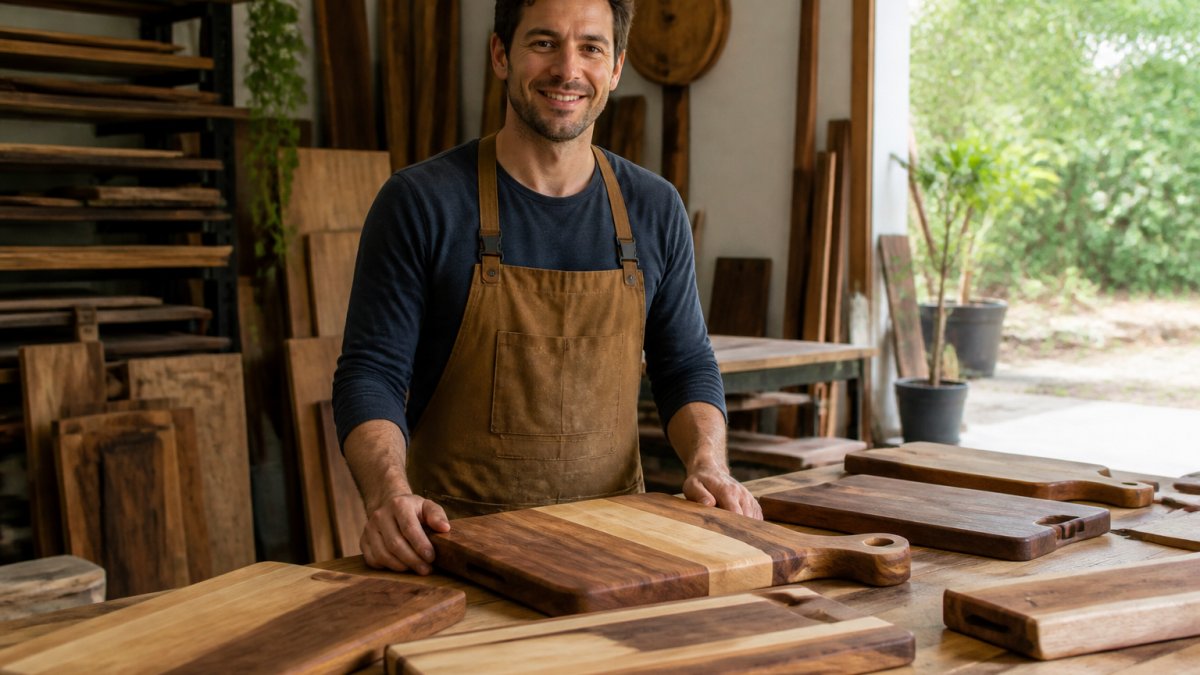
Most knives do not fail. They get neglected. If you want a cutting surface that treats your blades the way they deserve, Unhinged Woodworks builds heirloom-quality boards from hand-selected hardwoods, finished with food-safe adhesives and conditioners for a satin-smooth surface that lasts for decades.
Frequently Asked Questions
Does cutting on a wooden board keep knives sharper?
Yes, in most home kitchens. Wood gives slightly under the blade edge, so the edge sinks in rather than grinding against a hard surface. Glass and ceramic boards are the worst offenders because they have no give at all, and thin plastic boards can flex and catch the edge. A thick hardwood board, especially end-grain, is the best cutting board for knives and protects an edge far better than any hard surface.
How often should you sharpen kitchen knives?
For a home cook using one knife daily, a full sharpening every 6 to 12 months is a reasonable baseline, with honing every few uses in between. Heavier use, such as breaking down whole chickens or cutting lots of squash, shortens that window. Watch for the signs: tomatoes that bruise instead of slicing, or a blade that slides off onion skin, mean it is time to sharpen rather than hone.
Should you wash kitchen knives in the dishwasher?
No. Dishwasher heat, long soaking, and tumbling against other items wear down the edge and can damage handles. Wash each knife by hand with mild soap and warm water, dry it immediately with a towel, and put it away. Never leave a knife sitting wet in the sink, where the edge can knock against other dishes and chip.
Does honing a knife keep it sharp?
Honing realigns the edge rather than removing metal, so it keeps a sharp knife working longer between sharpenings. Hold the steel at roughly a 20-degree angle to the blade and draw the knife down in light, even strokes, a few passes per side. Skip the heavy pressure: honing is maintenance, and how to hone a kitchen knife well is about consistency, not force.
Comments