
Why Choose Artisan Wooden Serving Ware

Table of Contents
What Sets Artisan Wooden Serving Ware Apart
Handmade vs. Mass-Produced Wooden Boards
Food-Safe Wood for Serving Boards
Durability and Resistance to Everyday Wear
How to Care for Wooden Serving Boards
How to Style a Charcuterie Board
The Value of Artisan Craftsmanship
Frequently Asked Questions
Last Updated: October 11, 2026
What Sets Artisan Wooden Serving Ware Apart
Artisan wooden serving ware represents a fundamental shift in how we approach entertaining and food presentation. Unlike mass-produced alternatives, handcrafted pieces combine functional design with genuine artisanal quality that evolves with time and use. At Unhinged Woodworks, we believe that the pieces you serve from should reflect the care you put into gathering people together.
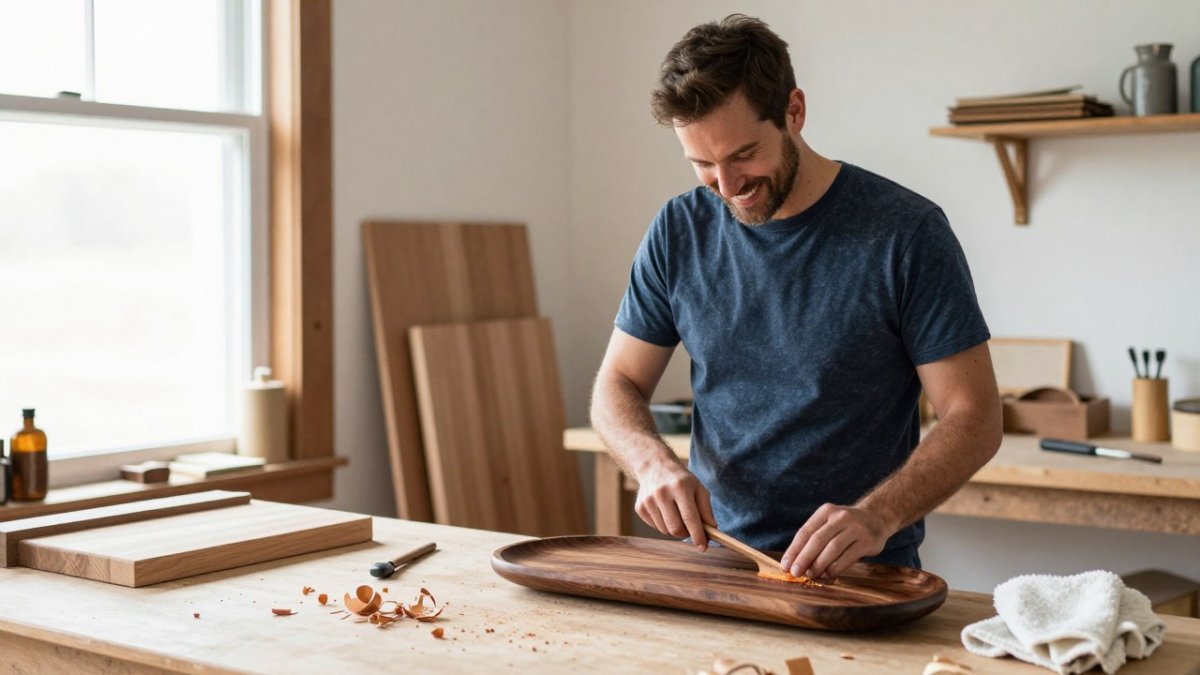
The difference between artisan wooden serving ware and factory-made boards goes far deeper than aesthetics. Handcrafted pieces are created with intention, each grain pattern is considered, each finish is applied by skilled hands, and the wood itself is selected for both beauty and performance. When you choose artisan work, you're investing in something that improves with age rather than deteriorating.

Handmade serving boards tell a story. The wood grain becomes a fingerprint, no two pieces are identical. This individuality is precisely what mass-produced alternatives cannot replicate, no matter how many units roll off a factory line.
Handmade vs. Mass-Produced Wooden Boards
The gap between handmade and mass-produced wooden boards is measurable in both construction and longevity. Handcrafted boards use solid wood throughout, with joinery techniques that have proven themselves over decades. Mass-produced boards often rely on veneers, plywood, or glued laminations designed for quick production rather than durability.
Consider what happens over time. A handmade board from artisan wooden serving ware makers like Unhinged Woodworks develops character, minor surface marks become part of its history. Factory boards often show their construction flaws: delamination, peeling veneers, or joints that separate with temperature changes. The craftsmanship difference translates directly to how these pieces perform in real kitchens.
When shopping on marketplaces like Etsy, you'll find a spectrum of handmade options. Some are genuinely artisan work by individual makers; others are small-batch producers using semi-industrial methods. The key difference from mass-manufactured alternatives is the maker's direct involvement and willingness to adjust for quality rather than speed. Handcrafted work prioritizes the final product; mass production prioritizes volume.
Food-Safe Wood for Serving Boards
The wood species and finish used in serving ware directly affect both safety and performance. Not all hardwoods are equally suited to food contact, and understanding the difference protects your health and your investment.
Wood Species for Food Contact
Hardwoods with tight grain structures resist bacterial colonization and absorb fewer liquids than softer woods.
Artisan makers select species based on both food safety and intended use. A cherry board suits cheese and charcuterie; walnut works well for bread and vegetables.
Food-Safe Finishes: Standards and Reapplication
The finish is as critical as the wood itself. The FDA and the Consumer Product Safety Commission (CPSC) do not pre-approve specific finishes, but they do regulate what can contact food.
Food-safe finishes fall into three categories:
Mineral oil and food-grade oils: These penetrate the wood and provide temporary protection. They do not form a hard surface and require reapplication every 2-4 weeks with regular use. Mineral oil is inexpensive and widely available but offers no water resistance. Plant-based alternatives like grapeseed or coconut oil work similarly but may go rancid if stored improperly.
Beeswax and oil blends: These create a harder, more water-resistant surface than oil alone while remaining food-safe. A 1:1 beeswax-to-oil ratio is common. Reapplication is needed every 4-8 weeks depending on use frequency. Beeswax finishes develop a subtle sheen and improve tactilely over time.
Food-grade lacquers and polyurethane: These form a hard protective coating and last longer between applications (6-12 months). However, they must be specifically labeled food-safe and applied according to manufacturer instructions. Standard polyurethane and lacquer finishes are not food-safe and can leach chemicals into food, especially acidic items like citrus or vinegar-based dressings.
Mass-produced boards often use cheaper finishes optimized for appearance rather than food safety. Some use standard polyurethane, which is durable but not food-safe. Others apply finishes that look protective but offer no real barrier.
Identifying Food-Safe Finishes When Buying
When evaluating artisan wooden serving ware, ask the maker directly: What finish is used? Is it food-safe? How often should it be reapplied? A maker who cannot answer these questions clearly may not have prioritized food safety in their process.
On marketplaces like Etsy, look for product descriptions that specify finish type and include care instructions mentioning reapplication. Vague language like "natural finish" or "sealed" without specifics is a red flag.
Physical inspection matters too. Run your hand across the surface, a properly finished board should feel smooth without tackiness or rough spots. Smell the board if possible; food-safe finishes have minimal odor, while chemical-heavy finishes often smell strongly of solvents.
Maintenance and Finish Degradation
Food-safe finishes degrade with use and require active maintenance. Oil-based finishes absorb into the wood and wash away gradually with each cleaning. Wax finishes wear off where the board contacts cutting surfaces or where hands grip it.
When you notice the finish becoming dull, water beading less effectively, or the wood appearing dry, reapplication is due. Skipping maintenance allows the wood to absorb moisture and bacteria, compromising both safety and appearance.
Mass-produced boards with hard synthetic finishes may not require reapplication, but they also may not be food-safe. The trade-off is convenience versus genuine safety and the ability to maintain the piece long-term.
Durability and Resistance to Everyday Wear
Durability separates pieces you'll use for decades from those that deteriorate within a few years. Artisan wooden serving ware is built to withstand regular use, the kind of entertaining that happens in real homes, not just special occasions.
Handcrafted boards resist cracking and warping through proper wood selection and construction technique. Artisans choose wood that has been properly dried and stabilized, then use joinery methods that accommodate wood movement naturally. Factory boards sometimes use kiln-dried wood that's rushed to production, leading to stress cracks as the wood adjusts to your home's humidity.
Staining resistance comes from both wood species and finish quality. A cherry or walnut board finished with food-safe conditioner develops a patina over time but resists permanent staining better than untreated pine or birch. The natural oils in premium hardwoods provide inherent protection that cheaper woods simply don't have.
Real-world use reveals the difference quickly. A handmade board from a skilled artisan handles knife marks, water exposure, and temperature changes with grace. Cheap alternatives show wear within months, finish deteriorates, joints loosen, and the piece becomes unsafe for food contact.
How to Care for Wooden Serving Boards
Proper care extends the life of artisan wooden serving ware and keeps it food-safe. The maintenance routine is straightforward but essential, it's the difference between a piece that lasts a decade and one that lasts a lifetime.
Start with immediate cleaning after use. Wash with warm soapy water and dry thoroughly with a cloth. Never soak wooden boards or leave them standing wet. Pat dry immediately and stand them upright to air, which prevents moisture from pooling on the surface.
Conditioning is the key to longevity. Every few months, or more frequently if the board is used regularly, apply a food-safe conditioner or mineral oil. Rub it in with the grain, let it absorb for a few minutes, then wipe away excess. This replenishes the wood's natural protection and keeps the finish supple. Unhinged Woodworks offers a hand-crafted board conditioner specifically formulated for this purpose.
Avoid these common mistakes: never put wooden boards in the dishwasher, never use bleach or harsh chemicals, and never leave them near direct heat sources. Store them flat or upright in a dry location. With these simple practices, a quality handmade board improves with age rather than deteriorating.
Care Task | Frequency | Impact |
Wash and dry | After each use | Prevents bacterial growth and water damage |
Apply conditioner | Every 2-3 months | Maintains finish and prevents cracking |
Light sanding | As needed (yearly or less) | Removes minor scratches and smooths surface |
Avoid dishwasher | Always | Prevents warping, finish damage, and joint separation |
How to Style a Charcuterie Board
Styling transforms a wooden serving board from functional to memorable. The board itself becomes part of the presentation, which is why choosing artisan wooden serving ware matters for entertaining.
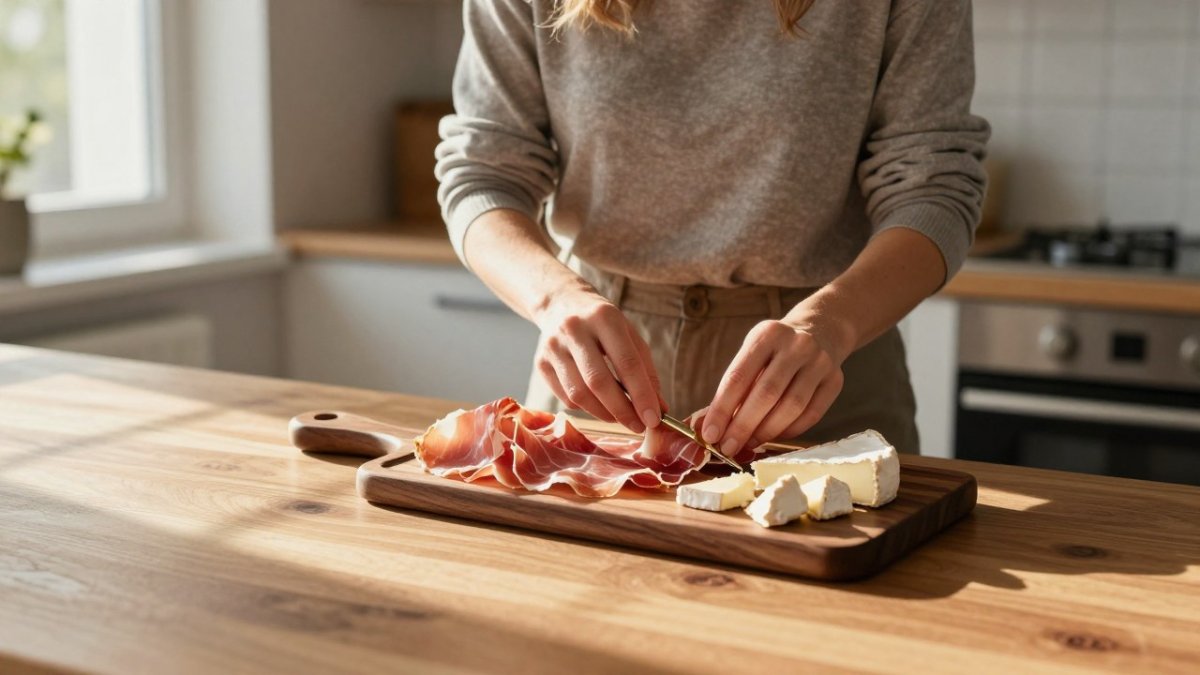
Start with balance. Arrange cheeses, cured meats, and accompaniments in clusters rather than scattered randomly. Leave some of the wood grain visible, it's part of the design. The natural beauty of a handcrafted board complements rather than competes with the food.
Color contrast works with the wood tone. Light cheeses and cured meats stand out against darker woods like walnut; richer colors shine on lighter boards like cherry. Fresh herbs, berries, and nuts add visual interest and break up blocks of similar colors.
Height variation matters more than most people realize. Stack some items, lay others flat, and use small bowls for spreads or nuts. This creates visual rhythm and makes the board feel intentional rather than haphazard. The board's size and shape guide your arrangement, a long rectangular board encourages linear patterns, while round boards work better with concentric circles.
The board itself should enhance the experience. A handmade piece with visible grain and artisan finishing draws compliments and conversation. Guests notice quality craftsmanship, which elevates the entire gathering.
The Value of Artisan Craftsmanship
Choosing artisan wooden serving ware is choosing quality that compounds over time. The initial investment reflects genuine skill, material selection, and attention to detail that mass production simply cannot match.
Consider the alternative. A cheap board costs less upfront but requires replacement within a few years. You buy multiple boards, each one disappointing in some way, warping, staining, loose joints. Over a decade, you've spent more money and accumulated waste. An artisan piece costs more initially but becomes more valuable to you over time. It's used at every gathering, improves with age, and can be passed down.
The craftsmanship also supports makers who care about their work. When you buy from artisans like Unhinged Woodworks, you're supporting people who've chosen to build quality rather than chase volume. That choice matters, it means your board was made by someone who would use it themselves, who stands behind every detail.
Artisan wooden serving ware also offers customization that mass production cannot. Custom engraving transforms a board into a personalized gift for weddings, anniversaries, or housewarmings. Hand-selected grain matching ensures each piece is unique. These options are only possible because the maker controls the entire process.
The real value isn't just the board, it's the experience it creates. When you serve from a handcrafted piece, you're telling your guests that you invested in quality for them. That matters.
Choosing artisan wooden serving ware means investing in pieces that transform how you gather and entertain. Quality craftsmanship, food-safe finishes, and genuine durability set handmade boards apart from mass-produced alternatives. At Unhinged Woodworks, we craft each piece with hand-selected hardwoods, custom engraving options, and food-safe finishes designed to last for decades. Start with a board that reflects your commitment to quality entertaining. Visit Unhinged Woodworks to explore custom serving ware
Frequently Asked Questions
What makes artisan wooden serving ware worth the investment compared to mass-produced options?
Artisan wooden serving ware offers superior craftsmanship, hand-selected hardwoods with carefully matched grain patterns, and food-safe finishes applied with precision. Mass-produced boards often use lower-grade materials, generic finishes, and assembly-line construction that sacrifices durability. Handcrafted pieces are designed to last decades, becoming heirlooms that improve with age, while mass-manufactured alternatives typically show wear within a year or two of regular use.
How do you care for wooden serving boards to keep them in excellent condition?
Clean wooden serving boards immediately after use with warm soapy water and a soft cloth, then dry thoroughly. Apply food-safe board conditioner monthly to maintain the wood's resilience and prevent cracking. Avoid prolonged soaking, dishwashers, and direct sunlight. Store boards vertically or flat in a climate-controlled area. Hand-crafted boards finished with food-safe adhesives and conditioners develop a beautiful patina over time while resisting staining and warping when properly maintained.
What woods are considered food-safe for serving ware?
Hardwoods like acacia, teak, walnut, and cherry are naturally food-safe when finished with food-contact-approved adhesives and conditioners. These woods have tight grain structures and antibacterial properties that resist bacteria growth. Avoid softwoods and treated lumber. Artisan makers select premium hardwoods based on their dimensional stability, non-reactive nature, and ability to withstand the wear and tear of food contact without leaching chemicals or splinters.
Can wooden serving boards be customized with engraving?
Yes, artisan wooden serving ware can be personalized with hand-carved engraving, making them ideal gifts for weddings, anniversaries, and housewarmings. Custom engraving adds elegance and transforms a functional piece into a conversation-starting centerpiece. Handcrafted engraving requires skill to ensure the personalization complements the wood grain and overall design without compromising the board's structural integrity or food-contact surface.
Get Unhinged Today!@

Comments